
Understanding Bear Behavior
Bears have long been misunderstood creatures, often depicted as inherently dangerous animals. However, assessing their behavior objectively reveals a more nuanced view. Understanding bear behavior is crucial for both safety and coexistence.
Types of Bears and Their Characteristics
There are several bear species, each with distinct behaviors and habitats. Among the most well-known are the American black bear, brown bear (which includes grizzly bears), and polar bear. Each species exhibits unique behaviors influenced by their environment and dietary needs.
American Black Bear
The American black bear is the most widespread bear species in North America. Typically non-aggressive, they prefer to avoid humans and are generally more timid than other species. Their diet is omnivorous but leans heavily towards fruits, nuts, and plants.
Brown Bear
Brown bears, including grizzlies, are found across North America, Europe, and Asia. They are larger and more aggressive than black bears, particularly when surprised or when protecting their young. Their omnivorous diet includes more substantial quantities of meat, especially during salmon runs.
Polar Bear
Polar bears are primarily found in the Arctic and are more carnivorous than other bears, relying heavily on seals for sustenance. Due to their remote habitat, they rarely encounter humans, but they can be aggressive when they do due to their predatory nature and need for high-calorie food sources.
Factors Influencing Bear Aggression
While bears are often portrayed as dangerous, several key factors typically underlie bear aggression:
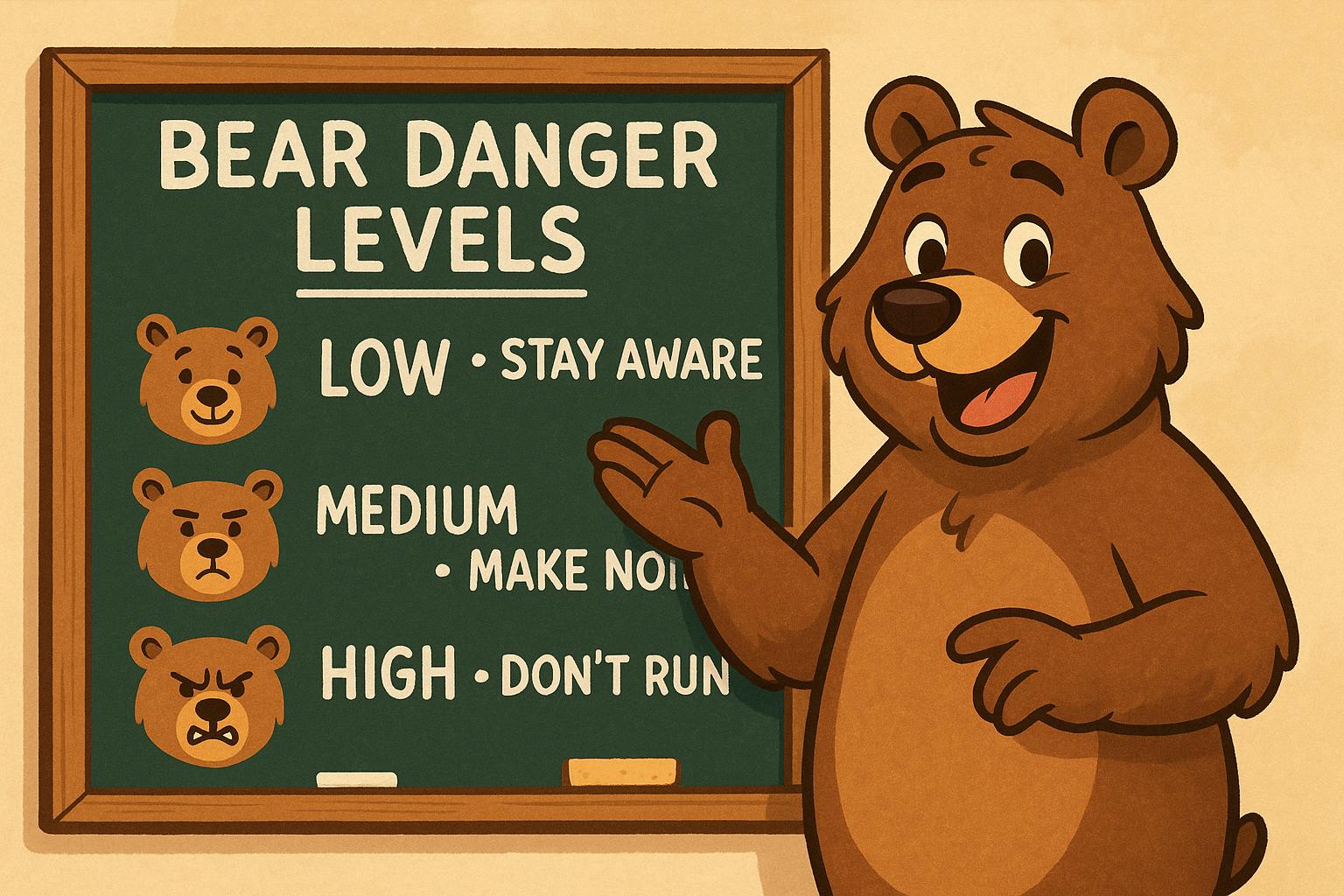
Surprise Encounters: Bears can become defensive if surprised. It is important to make noise and stay aware of your surroundings when in bear territory.
Protection of Young: Mother bears are particularly protective of their cubs and can become aggressive if they perceive a threat.
Food Scarcity: During food shortages, bears may take more risks to find sustenance, potentially leading to conflict with humans.
Coexisting with Bears
Coexistence with bears is possible when we understand their behaviors and needs. Observing proper safety measures can significantly reduce the risk of negative encounters:
Avoid Attracting Bears: Keep campsites clean and store food securely. In bear country, using bear-resistant containers or hanging food in trees can prevent attracting bears to human areas.
Stay Calm: If you encounter a bear, remain calm and avoid making sudden movements. Mostly, bears do not see humans as prey.
Use Deterrents: Bear spray can be an effective deterrent against aggressive bears and is essential when hiking or camping in bear territory.
For more comprehensive details on bear safety and behavior, visit the National Park Service’s page on bear safety.
Conclusion
Bears are not inherently dangerous but can be when their space and resources are threatened. By understanding their behaviors and respecting their habitats, we can minimize conflicts and appreciate these majestic creatures’ role in the ecosystem.