
Introduction to Bear Viewing in Alaska
Alaska, the largest state in the United States, stands out as a premier destination for bear viewing. Its vast and remote wilderness areas provide an ideal habitat for the three species of North American bears: the brown bear, which includes the grizzly, the black bear, and the polar bear. Visitors to Alaska are offered a unique opportunity to observe these magnificent creatures in their natural habitats.
Rich Bear Populations and Habitats
Alaska is home to some of the densest bear populations in North America, supported by its varied ecosystems. The lush temperate rainforests of Southeast Alaska, the salmon-rich streams of the Kenai Peninsula, and the expansive tundras of the Arctic are just a few examples of the diverse environments that sustain healthy bear populations.
Brown Bears
Brown bears are a significant draw for bear enthusiasts. In areas such as Katmai National Park and the McNeil River State Game Sanctuary, visitors can witness large gatherings of brown bears feasting on salmon during the spawning season. More information about Katmai National Park can be found on the National Park Service’s official website.
Black Bears
The black bear is found throughout Alaska, from coastal rainforests to interior woodlands. Though often smaller and more elusive than their brown bear cousins, black bears are frequently seen foraging for food along riverbanks and in berry patches.
Polar Bears
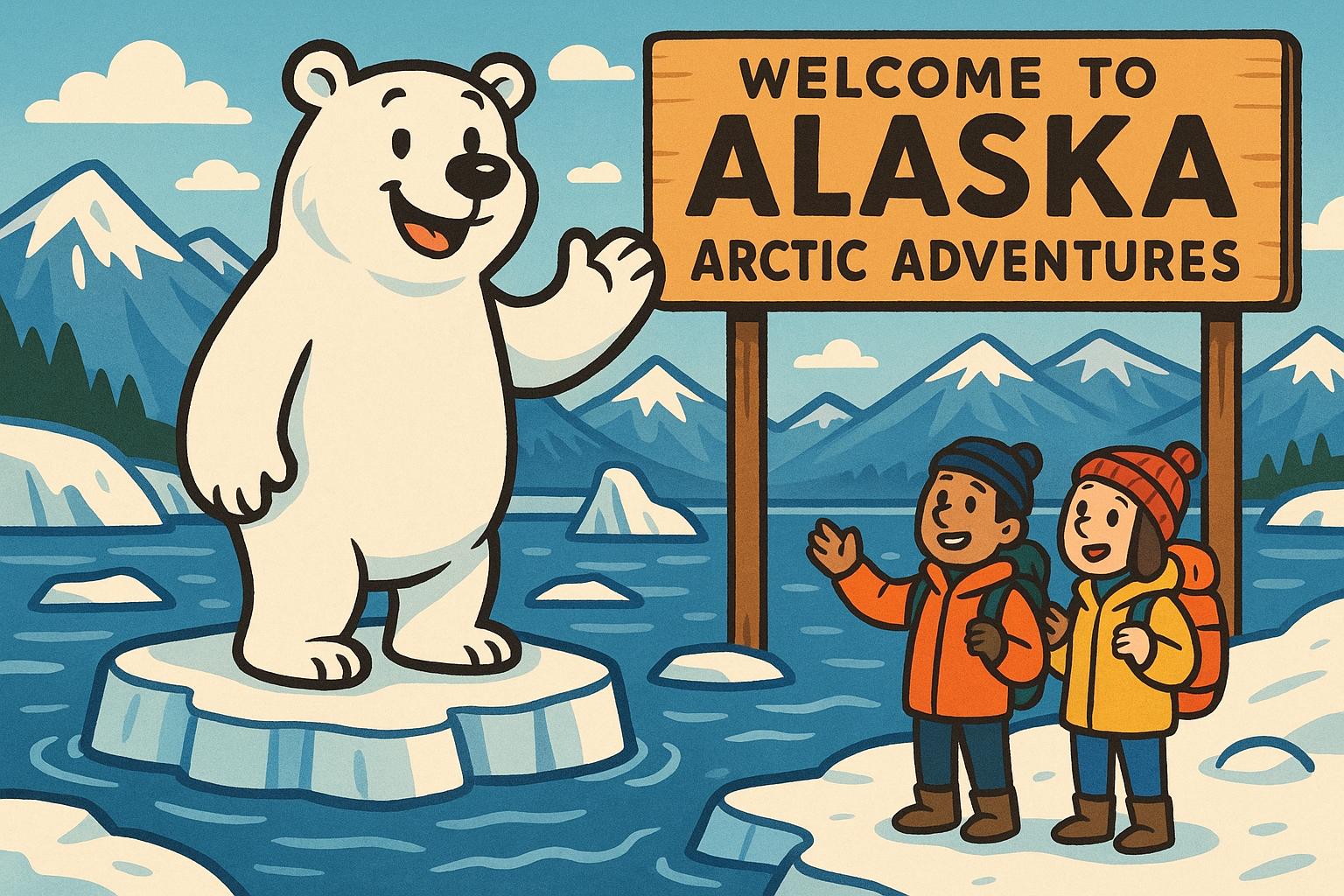
For those willing to venture into Alaska’s Arctic regions, namely around the town of Utqiaġvik (formerly Barrow) and the village of Kaktovik, the opportunity to see polar bears is rare but rewarding. Polar bear viewing tours are generally held in the late summer and autumn as they become more accessible when sea ice retreats.
Seasonal Viewing Opportunities
Bear viewing in Alaska is highly seasonal, often dictated by the bears’ feeding patterns. Early summer through fall is generally the best time for sightings, closely tied to salmon runs. During this period, bears congregate in areas abundant with fish, providing visitors exceptional viewing opportunities.
Salmon Runs
Salmon runs are a critical food source for bears, and observing these natural spectacles allows for an unforgettable wildlife experience. Facilities such as Brooks Camp in Katmai National Park offer infrastructure to help visitors safely watch bears as they fish for salmon—a scene frequently captured by nature photographers.
Coastal Areas
Coastal areas, primarily during late summer, also provide excellent viewing chances as bears are drawn to these regions to feast on the abundance of marine life and coastal berries.
Conservation and Safety
Taking part in bear viewing in Alaska requires an understanding of both conservation efforts and safety guidelines. It is crucial to support and follow regulations designed to protect both bears and their habitats while ensuring personal safety.
Responsible Viewing Practices
Visitors should engage in responsible bear viewing by maintaining a safe distance, respecting natural behaviors, and adhering to established guidelines. Many tour operators and national parks provide information on how to safely and ethically observe bears.
Supporting Conservation
Participation in bear viewing tours often contributes to conservation efforts by creating economic incentives for locals to preserve and protect bear habitats. For a deeper insight into bear conservation, consider reviewing materials offered by organizations such as the Defenders of Wildlife.
Conclusion
In summary, Alaska’s diverse and extensive wilderness provides unmatched bear viewing opportunities. Its varied landscapes and seasonal natural events create ideal conditions for observing bear behavior. While engaging in this unique experience, it remains imperative to prioritize safety and conservation, ensuring these magnificent creatures continue to thrive for generations to come.