
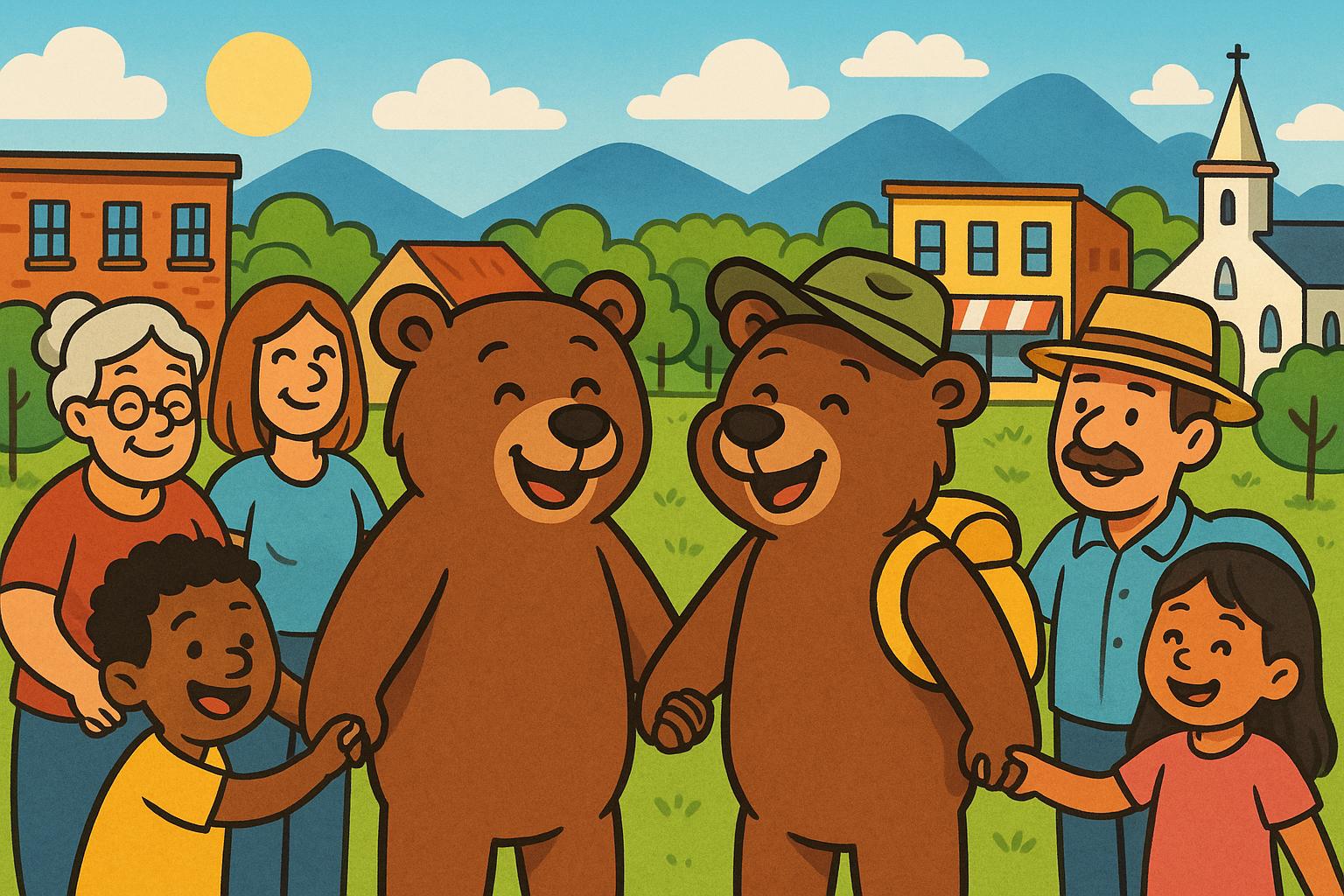
The Role of Bear Tourism in Boosting Local Economies
Bear tourism has emerged as a significant economic driver for several communities around the world. By offering unique opportunities for tourists to observe bears in their natural habitats, local economies can benefit from the influx of visitors seeking wildlife experiences.
Economic Contributions of Bear Tourism
Primarily, bear tourism contributes to local economies through direct spending by tourists. This includes expenditures on accommodations, dining, guided tours, and other travel-related services. For instance, communities in areas such as Katmai National Park in Alaska or Churchill in Manitoba see substantial economic benefits from tourists eager to experience bear watching.
Additionally, the presence of bear tourism can stimulate indirect economic activities. As tourism operations expand, there is often a need for more jobs, leading to increased employment opportunities for local residents. The increased demand can also incentivize improvements in infrastructure, benefiting residents and tourists alike.
Direct Economic Impact
When tourists participate in bear viewing activities, they directly support local businesses. Lodges, hotels, and campgrounds accommodate visitors, while restaurants and cafes experience increased patronage. Tour operators and guides showcase the bears’ natural habitats, providing both education and entertainment.
National Geographic outlines how money spent on these services becomes a crucial source of income for communities, reinforcing sustainable economic growth.
Indirect Economic Benefits
Beyond direct spending, bear tourism indirectly boosts the local economy by creating jobs related to tour operations, hospitality, and conservation initiatives. The demand for guides, administrative staff, maintenance workers, and other positions leads to an increase in household income levels in the region.
Moreover, enhanced tourism infrastructure, such as improved roads and public facilities, has the potential to elevate the quality of life for residents. Such developments can influence long-term economic stability, making remote or rural areas more accessible and inviting for further investment.
Challenges and Considerations
Despite its advantages, bear tourism also presents challenges, particularly regarding environmental and wildlife conservation. Sustainable practices must be implemented to prevent disturbances to bear habitats and minimize human-wildlife conflicts. Governments and tour operators are often tasked with establishing guidelines to ensure that tourism activities do not negatively impact the bears or the environment.
Furthermore, seasonality is a critical consideration. Since bear sightings are often bound to specific times of the year, local economies can experience fluctuations in revenue. Communities must assess how to manage these challenges to maintain economic and environmental balance.
In conclusion, bear tourism serves as a vital economic component for many local communities, promoting economic activity and infrastructure growth. However, successful integration hinges on sustainable and responsible tourism practices to preserve both the natural and economic environments for future generations. For more insights into ecotourism, visit World Wildlife Fund’s Ecotourism Page.