
The Complexity of Bear Vocalizations
Bears, often perceived as solitary creatures, have a sophisticated system of communication, primarily through vocalizations. These sounds range from simple grunts to more complex roars and are crucial for various interactions among bears. Understanding these vocal signals provides insights into their behaviors and needs.
Types of Vocalizations
Bears produce several distinct types of vocalizations, each serving a different function. These include:
Grunts and Huffs
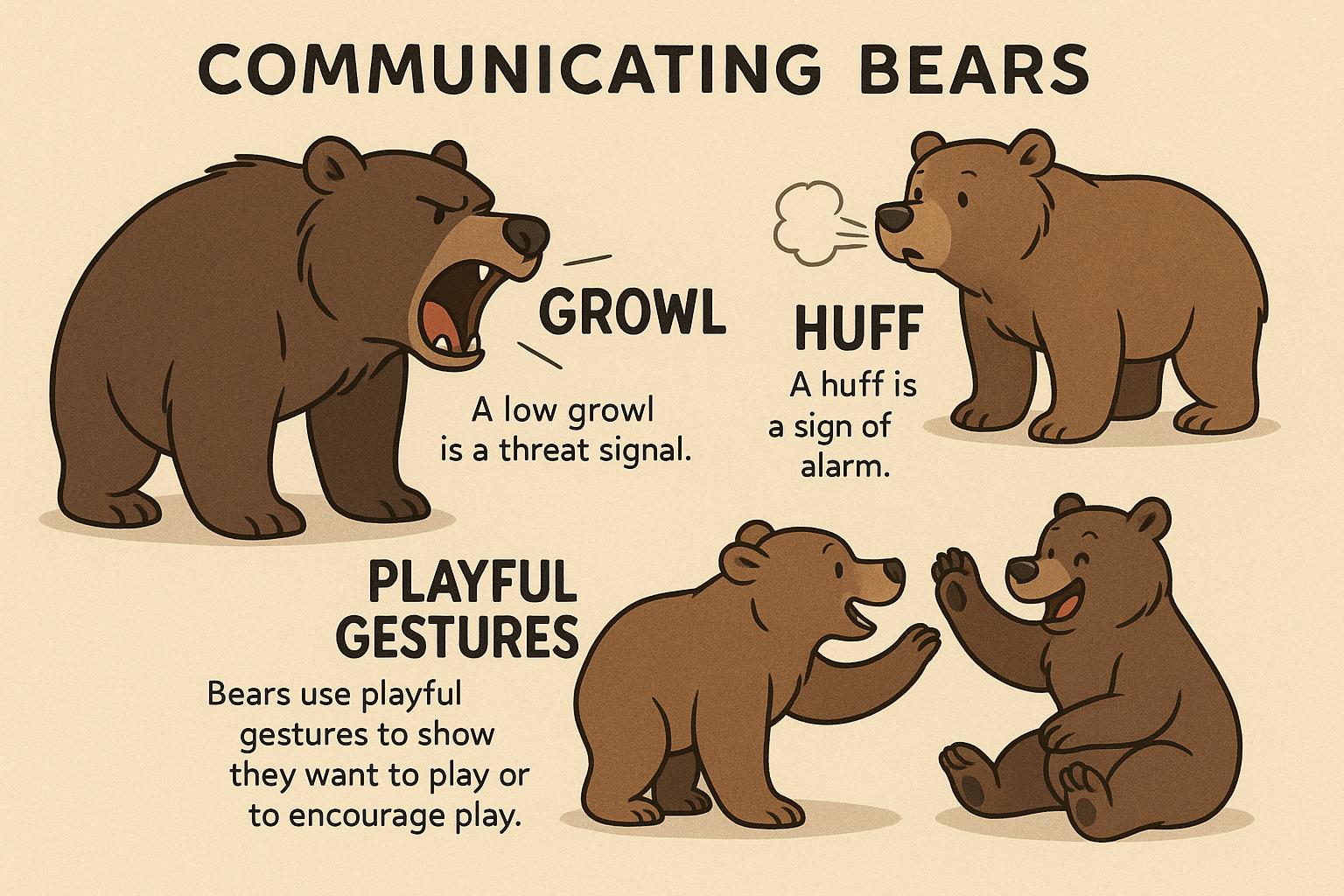
Grunts are typically short and soft. Bears use them during feeding or as a form of greeting. A bear might use a huff to signal mild annoyance or alert other bears of its presence.
Growls and Roars
These sounds are more intense and are often used in aggressive encounters. A growl or roar is a defensive mechanism or a method to establish dominance within territories.
Moans and Woofs
Moans are often associated with discomfort or distress. Woofs, on the other hand, serve as a warning signal to other bears or intruders. It’s a quick bark-like sound that demonstrates alertness.
Understanding Different Contexts
The meaning behind bear vocalizations can differ depending on the context. For instance, a mother bear will grunt softly to communicate with her cubs, ensuring they stay close and safe. In contrast, a solitary male bear may employ louder vocalizations to ward off rivals during the mating season.
Interaction with Humans
For those who frequently engage with bear habitats, understanding bear vocalizations can be crucial for safety. Recognizing a bear’s growl or woof may indicate that the animal feels threatened. In such cases, it’s advisable to slowly back away without turning your back to the bear. For further guidance on bear safety, you can refer to this National Park Service guide.
The Role of Physical Gestures Alongside Vocalizations
Bears often combine vocal sounds with physical gestures to convey their message more profoundly. For example, a bear may pair a huff with a bluff charge—a short rush towards a perceived threat without making contact. These combined signals enhance communication effectiveness.
Research and Observation
As bear populations interact more with human environments, understanding their vocalizations has become an area of active research. Studies focus on analyzing recordings of bear sounds in different situations. By studying these vocal cues, researchers aim to develop better conservation strategies and promote coexistence between bears and humans. For more scientific insights into bear behavior, consider exploring recent studies from the Bear Trust International.
Conclusion
Bear vocalizations offer a window into their cognitive world, revealing their emotional states and social dynamics. Recognizing and interpreting these sounds not only helps humans coexist with these magnificent creatures but also supports conservation efforts by enhancing understanding of bear behavior.